
BY OJO SAMSON AYOMIDE
For Nigerian Judo, the significance of a medal can sometimes extend far beyond the podium.
When Enku Ekuta secured a historic bronze medal for Nigeria at the Commonwealth Games in Glasgow, the achievement not only ended a 24-year wait for a Judo medal at the Games, but also provided a powerful measure of the progress being made within the sport.
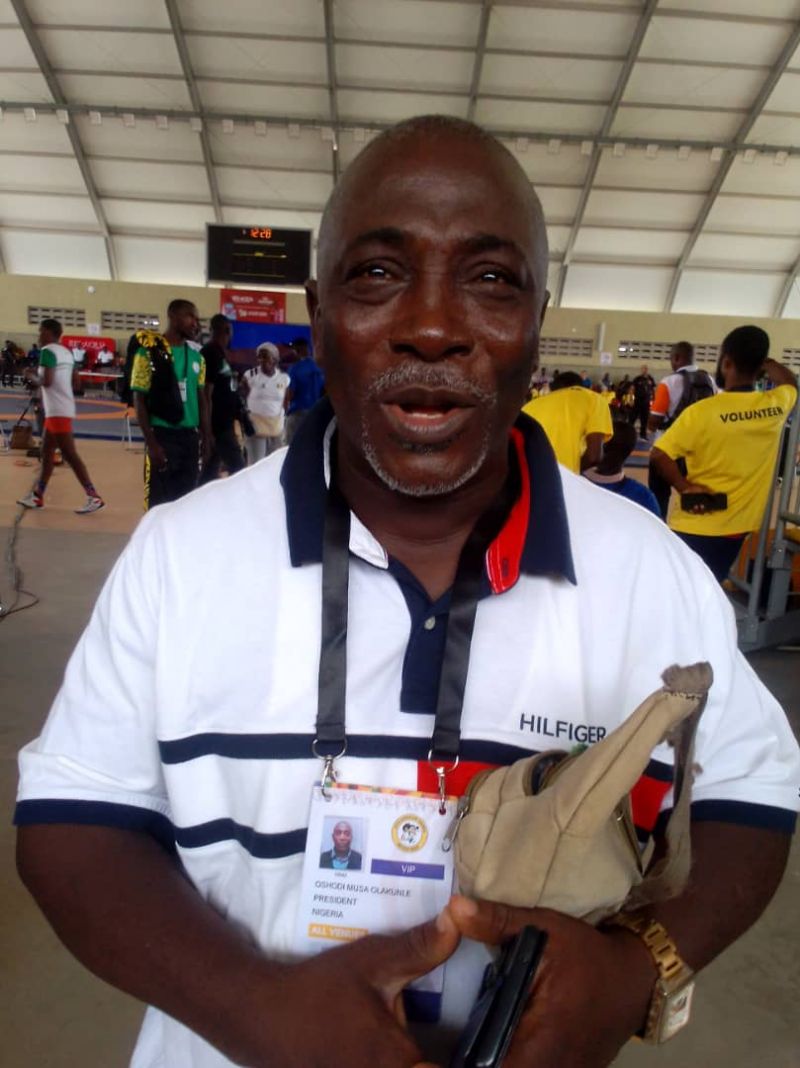
Now, that success has triggered an unusual show of solidarity, with key stakeholders in Nigerian Judo passing a vote of confidence in the leadership of Nigeria Judo Federation (NJF) President, Dr. Musa Oshodi.
In separate letters issued on August 26, 2026, the Nigeria Judo Coaches Association, the Referees Association and the athletes’ representative expressed strong support for Oshodi’s administration, pointing to the Glasgow breakthrough as evidence of a federation moving in the right direction.
For years, Nigeria’s Judo community had watched other sporting disciplines produce international medals while waiting for its own breakthrough at the Commonwealth Games.
The 24-year drought therefore made Ekuta’s bronze particularly significant.
The achievement has become a reference point for stakeholders who believe that Nigerian Judo is beginning to benefit from a more structured approach to athlete development, coaching, competition and administration.
The Coaches Association, in a letter signed by its President, Coach Oluwatoyin Emmanuel Ojo, said the federation had continued to “grow and gain prominence both nationally and internationally” under Oshodi’s stewardship.
For the coaches, Ekuta’s achievement was not simply an individual triumph. It represented the outcome of efforts to strengthen the sport and create an environment where athletes could compete successfully on the international stage.
The endorsement from the coaching community is significant because coaches remain at the heart of every successful sporting programme.
They are responsible for identifying talent, developing athletes and preparing them for the physical and psychological demands of elite competition.
By publicly backing Oshodi, the Coaches Association has signalled its confidence in the federation’s current direction.
Its leadership congratulated the NJF on Ekuta’s medal and described the accomplishment as evidence of the work being undertaken to develop Judo in Nigeria.
The message is clear: for the coaches, the recent success is something worth building upon rather than treating as an isolated achievement.
The support has also come from the officials responsible for maintaining the integrity and standards of the sport.
The Nigeria Judo Referees Association, led by Chairman Godspower Geoffrey, described the Glasgow medal as a landmark accomplishment and linked it to what it called Oshodi’s strategic reforms and athlete-centred policies.
According to the referees, the achievement reflects a commitment to repositioning Nigerian Judo on the global stage.
Their declaration of “unalloyed support” is particularly noteworthy because the development of a successful sporting system requires more than athletes and coaches. Competent officiating, standardised rules and strong technical structures are equally important.
Perhaps the strongest endorsement has come from the athletes themselves.
Representing judokas nationwide, Athletes’ Representative Franca Audu assured Oshodi that the athletes remained firmly behind his administration.
“Mr President sir, please be assured that you have the support of the Nigerian Judo athletes now and always,” she stated.
Her message reflects the importance of athlete confidence in the administration of any sports federation. Beyond medals and competitions, athletes need systems that provide opportunities to train, compete and develop their careers.
The athletes’ backing therefore suggests that the administration has earned goodwill among those directly affected by its policies and programmes.
While the Glasgow bronze has become a symbol of progress, the real challenge for Nigerian Judo will be sustaining the momentum.
One medal can inspire a generation, but a strong sporting system requires consistent investment in grassroots development, coaching, competitions, athlete welfare, technical expertise and international exposure.
The latest endorsements therefore present both a vote of confidence and a challenge.
Stakeholders are effectively asking the NJF leadership to build on the Glasgow breakthrough and turn it into a sustained culture of success.
For Oshodi and his board, the opportunity is significant. The support of coaches, referees and athletes provides a foundation upon which a more competitive Nigerian Judo programme can be built.
The ambition, according to the stakeholders, is bigger than a single medal. It is to make Judo one of Nigeria’s leading sports and ensure that future generations of judokas inherit a stronger, more organised and internationally competitive sport.
The Glasgow bronze may have ended a 24-year wait, but the stakeholders’ message is that the real work has only begun.