

The Nigerian Communications Commission (NCC) has identified 2027 as a significant target for the preliminary adoption of Internet Protocol version 6 (IPv6), intending for a minimum of 20 percent of government networks and 25 percent of telecom operators to transition to the updated protocol.
During the inauguration of IPv6 Council members held in Lagos on Thursday, the Executive Vice Chairman of the NCC, Dr. Aminu Maida, made this announcement. He noted the Commission’s ambition for broader adoption across the nation by 2030.
IPv6 represents the most recent iteration of the Internet Protocol, which allows for the identification and location of devices on networks as well as the routing of data across the Internet. Created by the Internet Engineering Task Force (IETF), IPv6 was designed to address the depletion of IPv4 addresses and is intended to replace the older version. It was established as a Draft Standard in December 1998 and subsequently became an Internet Standard on July 14, 2017.
Engr. Abraham Oshadami, Executive Commissioner for Technical Services, represented Maida at the event, where he underscored that the transition to IPv6 is essential for Nigeria’s digital trajectory.
“Moving to IPv6 is no longer merely a choice; it has become a crucial strategic demand. The investments we choose to make now will influence Nigeria’s digital competitiveness going forward,” he stated.
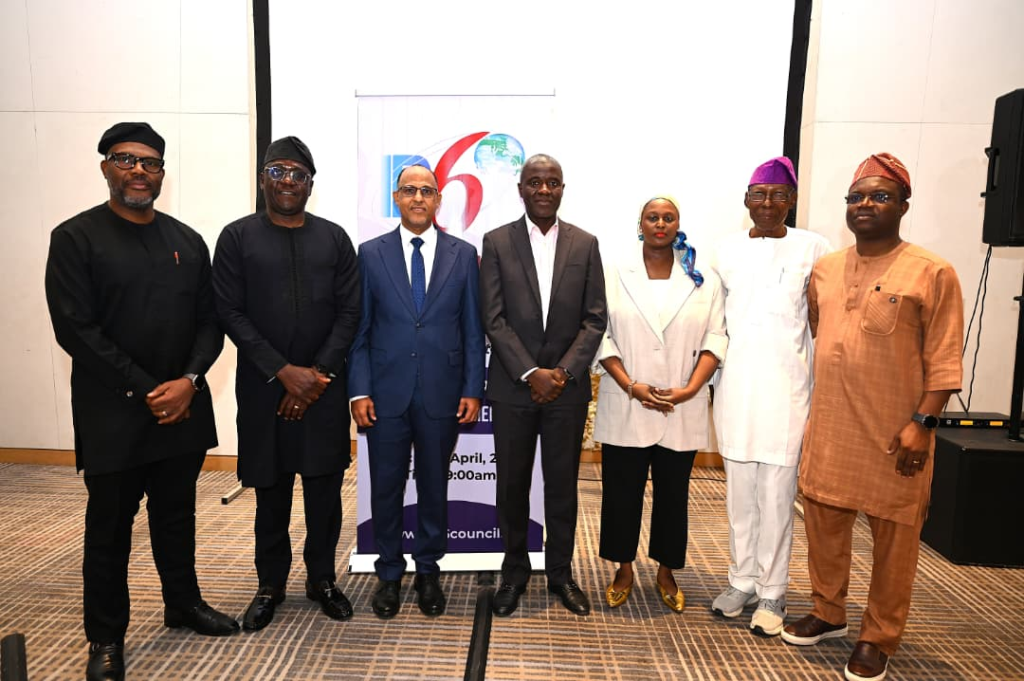
Maida elaborated that the NCC, in conjunction with the Nigeria IPv6 Council, has initiated a National IPv6 Implementation Strategy to promote adoption in various areas. This effort aims to expedite the transition, with the benchmarks set for 2027 laying the groundwork for more extensive adoption by 2030.
In addition, Muhammed Rudman, the Chief Executive Officer of the Internet Exchange Point of Nigeria (IXPN), noted that the sluggish shift from IPv4 is influenced by factors including low demand, a lack of awareness, and the ongoing availability of the older protocol.
“Most users are focused solely on accessing the internet without regard for whether it is through IPv4 or IPv6. This minimal demand means that operators feel little urgency to transition, despite the need,” Rudman remarked.
He pointed out that, although numerous network operators in Nigeria possess IPv6 capabilities, only a small number have implemented it fully for end users. Consequently, Nigeria’s adoption rate lags behind the African average of roughly six percent, raising alarms about its capacity to keep up with global technological progress.
Rudman also underscored the necessity for enhanced training, highlighting a growing skills shortage due to the emigration of trained engineers from the country.
Technology specialist Chris Uwaje, in his comments, urged a strategic overhaul in the development of Nigeria’s digital infrastructure, stressing the need for digital independence.
“We cannot afford to depend on obsolete systems while the global landscape evolves,” Uwaje asserted.